
What does ecotourism mean?

Can Unexpected Activities Make Your Trip Unforgettable?
Why Even Seasoned Travellers Ignore Essential Trip Planning Advice

Types of tourism
Exploring Hidden Gems: Lesser-Known Districts Of A Major European Capital
Accommodations



Can One Perfect Destination Satisfy Both Adventurers And Dreamers?
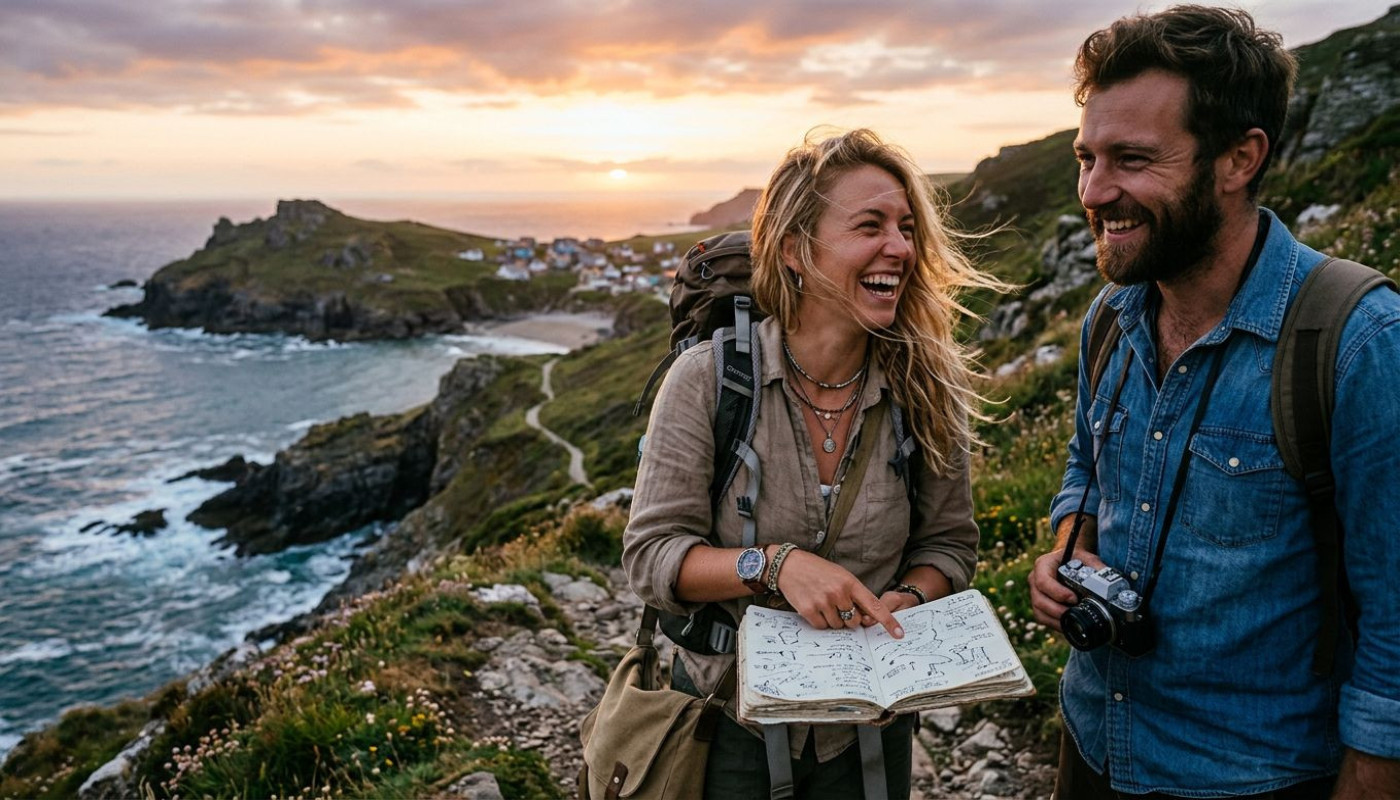
One city for surfers, hikers, samba lovers, and slow-strollers? Rio de Janeiro keeps making that improbable promise, and in 2026, it lands at a moment when travelers want more than postcard beauty, they want options, safety cues, and experiences that feel earned. The setting is famously cinematic, yet the real story sits in the choices: ocean or forest, sunrise summit or late-night roda, five-star calm or street-food spontaneity, and a calendar that can shift a whole trip if you time it right. Rio’s geography turns choices into rituals Start with the obvious, then look closer. Rio is one of...
Can Unexpected Activities Make Your Trip Unforgettable?
Skipping the obvious can be the smartest travel move, because the trips people remember rarely look like the trips they planned, they hinge on small surprises, sharp turns, and a willingness to say yes when a destination offers something off-script. In a tourism economy shaped by overtourism, climate pressures, and rising prices, “unexpected activities” are no longer just cute add-ons, they can be the difference between a crowded checklist and a genuinely personal journey, especially in places where the headline attractions are already saturated. When the “extra” becomes the highlight Most...
Is Spontaneous Travel Worth The Risk? Stories From Itineraries That Broke The Rules
Book-now culture has a countercurrent: travellers who land first and decide later, betting on adrenaline, flexibility and the odd stroke of luck. In 2026, with flight capacity still uneven across regions, weather getting less predictable and cities tightening rules around short-term stays, spontaneity can feel like both rebellion and liability. Yet some of the most memorable trips still come from plans that collapse, reroute or ignore the neat logic of an itinerary, and the question is no longer whether spontaneous travel is possible, but what it really costs when things go sideways. When...
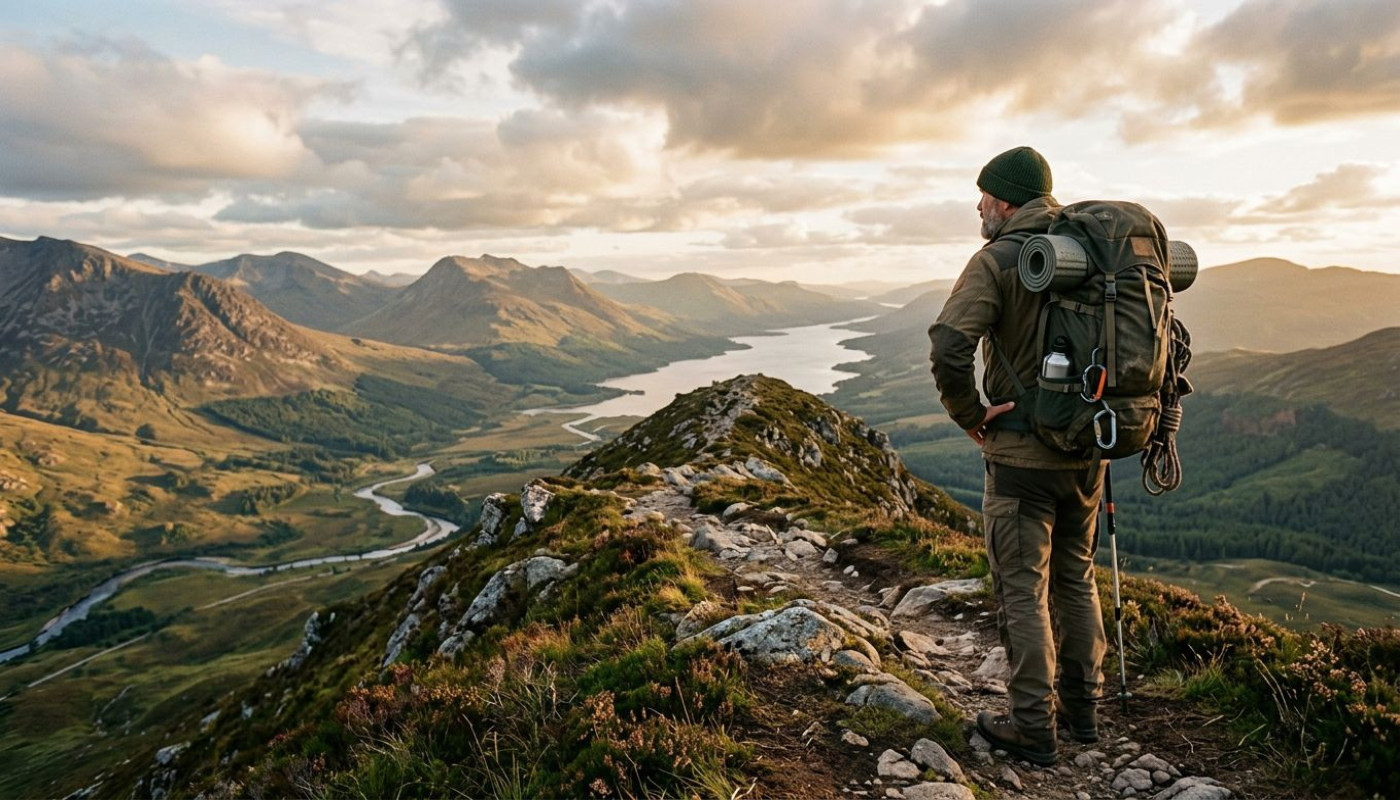
Why Even Seasoned Travellers Ignore Essential Trip Planning Advice
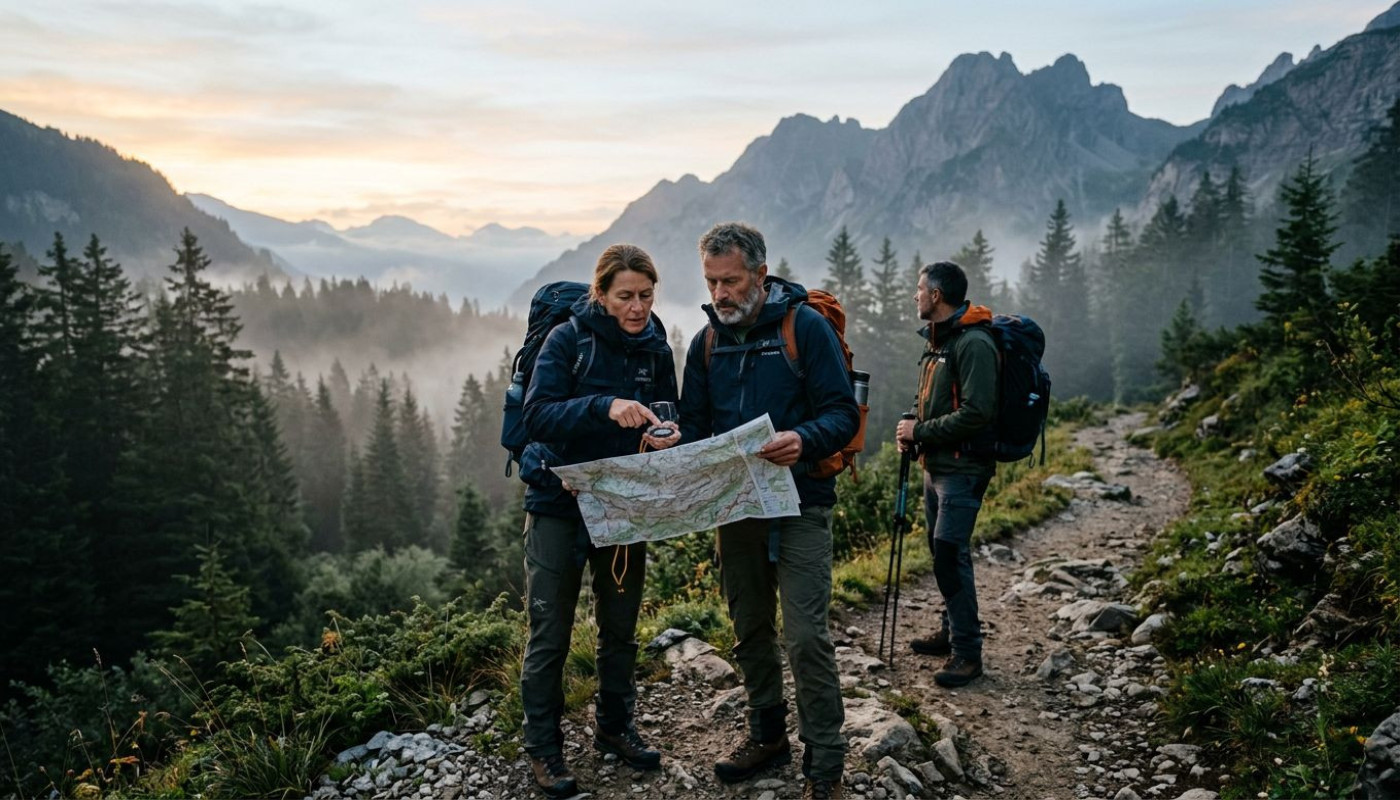
Ask frequent flyers what they’ve learned on the road and you’ll hear the same refrain: they “know the drill”. Yet airports are still clogged by missed connections, border queues, last-minute rebookings and travellers paying peak prices for avoidable mistakes, and industry data suggests it is not novices who drive a large share of the friction. The International Air Transport Association (IATA) has repeatedly pointed to baggage, documentation and disruption management as persistent pain points, and 2023’s peak-season operational strains showed how quickly confidence can turn into complacency....

What tourism jobs are there?
The number of people travelling for touristic purposes is increasing year by year. In the fifties we can count only a few millions of people leaving their place to visit others. But today, some decades later, they estimate this number to more than a billion. This situation is a blessing for job creation and the local economies. For those in need of jobs in a visited area, here are three opportunities you can have in this industry. Travel agent It is the prime job in the industry of tourism. If the place where you are living is a tourist attraction, you can serve as a travel agent. You can...
How Daily Rituals Cultivate Resilience Beyond Traditional Wellness Tips
Resilience is having a moment, and not just in therapy rooms or boardrooms. After years of rolling disruptions, from inflation shocks to workplace churn, the conversation has shifted from “self-care” shortcuts to what actually holds up under pressure, and the evidence keeps pointing in the same direction: routines. Not the glamorous kind, but repeatable, almost boring daily rituals that steadily lower stress load, protect sleep, and widen the gap between a setback and a spiral. Resilience starts in the nervous system Forget the motivational posters; resilience is, first, biology. When daily...
Tourist destinations
Can One Perfect Destination Satisfy Both Adventurers And Dreamers?
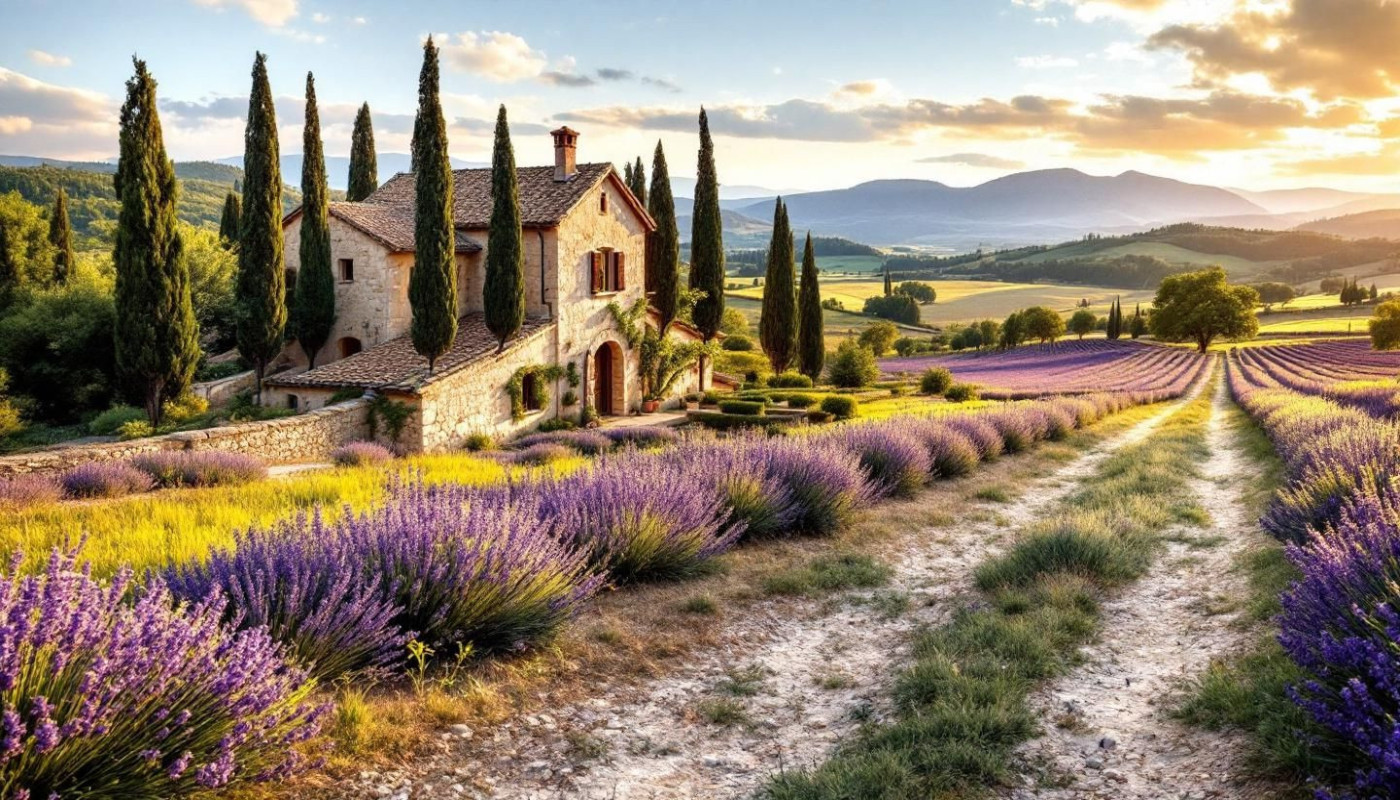
One city for surfers, hikers, samba lovers, and slow-strollers? Rio de Janeiro keeps making that improbable promise, and in 2026, it lands at a moment when travelers want more than postcard beauty, they want options, safety cues, and experiences that feel earned. The setting is famously cinematic, yet the real story sits in the choices: ocean or forest, sunrise summit or late-night roda, five-star calm or street-food spontaneity, and a calendar that can shift a whole trip if you time it right. Rio’s geography turns choices into rituals Start with the obvious, then look closer. Rio is one of those rare places where the map itself dictates the day, because beach neighborhoods and mountain neighborhoods are not separate “areas” but overlapping worlds, stitched together by tunnels, bays,...
Tranportation

News feed

Which categories of tourism are there?
Tourism is one of the most important human activities in the world. It consists of the movement of people from their place of living to another place for less than a year. When people decide to travel for touristic reasons, their purposes of travel could be however different. According to those purposes, tourism can be classified into many categories. Here are some of them. Cultural tourism The purpose of this kind of tourism is to satisfy cultural, intellectual or religious curiosity. It consists of the visitation of ancient sites or monuments and places of historical or religious importance...
Restaurants

In the spotlight
Is Spontaneous Travel Worth The Risk? Stories From Itineraries That Broke The Rules
Book-now culture has a countercurrent: travellers who land first and decide later, betting on adrenaline, flexibility and the odd stroke of luck. In 2026, with flight capacity still uneven across regions, weather getting less predictable and cities tightening rules around short-term stays, spontaneity can feel like both rebellion and liability. Yet some of the most memorable trips still come from plans that collapse, reroute or ignore the neat logic of an itinerary, and the question is no longer whether spontaneous travel is possible, but what it really costs when things go sideways. When “no plan” meets hard borders Miss the fine print once, and the trip becomes an administrative thriller. Visa rules, entry caps and airline documentation checks have grown more automated, meaning a...
Other


Recent
Can One Perfect Destination Satisfy Both Adventurers And Dreamers?
Is Spontaneous Travel Worth The Risk? Stories From Itineraries That Broke The Rules
Can Unexpected Activities Make Your Trip Unforgettable?
How Daily Rituals Cultivate Resilience Beyond Traditional Wellness Tips
Why Even Seasoned Travellers Ignore Essential Trip Planning Advice
What Seasoned Explorers Wish They Knew About Route Planning
Exploring Hidden Gems: Lesser-Known Districts Of A Major European Capital
Must-visit Historical Sites In The Quiet French Countryside
Scouting the most romantic vineyard accommodations in Tuscany for wine lovers
Exploring The Benefits Of Choosing Luxury Yacht Charters For Vacations
Discovering The Flavors Of Fréjus: A Culinary Tour Of Local Restaurants
Tips to Maximize Your e-Ticket Experience in the Dominican Republic
What tourism jobs are there?
Which categories of tourism are there?
What are the effects of ecotourism?
What does ecotourism mean?