Table of contents
Unveiling the soul of a city means venturing beyond the well-trodden squares and grand boulevards to discover the unique character of its quieter corners. Exploring hidden gems tucked within lesser-known districts of a major European capital offers a fresh perspective on local culture, history, and daily life. From charming alleyways to unexpected green spaces, embark on a journey through neighborhoods that many overlook, yet each holds stories waiting to be explored in the paragraphs that follow.
Canal-side tranquility in the northeast
Discover a hidden gem nestled in the northeastern reaches of this vibrant European capital, where a scenic canal district offers a refreshing escape from the city’s bustling heart. Here, tree-lined promenades wind gracefully along serene waterways, inviting visitors to stroll at their own pace or enjoy peaceful moments on the banks. The neighborhood’s recent transformation, shaped by ongoing urban regeneration, has revitalized its historic charm while introducing inviting green spaces and public art installations. Small, locally owned cafes dot the canal edges, serving artisanal pastries and specialty coffees that encourage lingering afternoons away from the crowds.
This tranquil enclave stands in contrast to the capital’s renowned tourist corridors, boasting a relaxed pace and opportunities for leisurely boat rides that reveal striking waterfront architecture. The area appeals to travelers searching for serene neighborhoods and authentic experiences far removed from the typical sightseeing circuits. Those who explore this peaceful canal district will encounter not only a slice of local life but also the innovative spirit that continues to shape the city’s most cherished hidden gems.
Artisan enclaves off the main path
In the heart of one of Europe's major capitals lies an artisan district that remains one of the city's most undiscovered neighborhoods, where creative clusters have transformed quiet streets into vibrant hubs of originality. The area abounds with independent workshops, each one inviting visitors to witness skilled craftspeople at work—be it in ceramics, leather goods, or hand-printed textiles. As you stroll through these lesser-known lanes, striking street art adorns forgotten facades, while boutique galleries showcase bold contemporary works alongside traditional pieces, offering a fresh perspective on the city’s evolving identity.
Unlike the over-visited tourist hotspots, this neighborhood encourages authentic cultural exchange. Travelers have the unique opportunity to engage directly with makers, learning about age-old techniques or even participating in impromptu workshops. These interactions foster a deeper appreciation for local traditions and provide insight into the creative processes behind distinctive art forms. By supporting these workshops and galleries, visitors contribute to the sustainability of the artisan district and reinforce the city's position as a nurturing ground for creativity and innovation.
Every stroll through these creative clusters offers an immersive experience that connects guests with the pulse of urban artistry. The welcoming atmosphere encourages conversation and collaboration, breaking down barriers between locals and newcomers. Those seeking to discover the genuine spirit of the city will find that its undiscovered neighborhoods offer a blend of inspiration and warmth, making each cultural exchange a memorable part of their journey.
Green havens away from the crowds
A neighborhood celebrated for its abundant green spaces and tranquil urban parks offers a unique neighborhood retreat from the energetic pulse of a major European capital. Strolling along its tree-lined avenues, visitors encounter secluded hidden gardens nestled between historic facades, each presenting an array of native and exotic flora. Throughout the year, these areas transform: spring bursts with blossoming magnolias and cherry trees, summer reveals dense shade under aged oaks and plane trees, autumn carpets the walkways in gold, while winter highlights the elegant structure of evergreens. Such seasonal changes create an ever-evolving tapestry that captivates nature enthusiasts and casual walkers alike.
Beyond their visual charm, these green spaces serve as a vital biodiversity corridor, connecting fragmented habitats and supporting urban wildlife. Birdsong resonates from mature canopies; pollinators thrive among wildflower meadows and herbaceous borders meticulously maintained for ecological health. The result is a living laboratory where residents and visitors alike witness firsthand the benefits of urban ecology. These parks and gardens also act as crucial social venues, hosting open-air concerts, weekend markets, and community gardening initiatives that foster a sense of belonging and shared stewardship.
The thoughtful design and ongoing stewardship of these areas highlight the neighborhood’s commitment to weaving European capital nature into daily life. The integration of sustainable landscaping techniques, careful plant selection, and ongoing ecological monitoring ensures that these green oases continue to flourish. Residents gather for relaxation, sport, and celebration amid the gentle rustle of leaves, proving that even in the heart of a bustling metropolis, it is possible to find serenity and connection with the natural world.
Historic charm in overlooked quarters
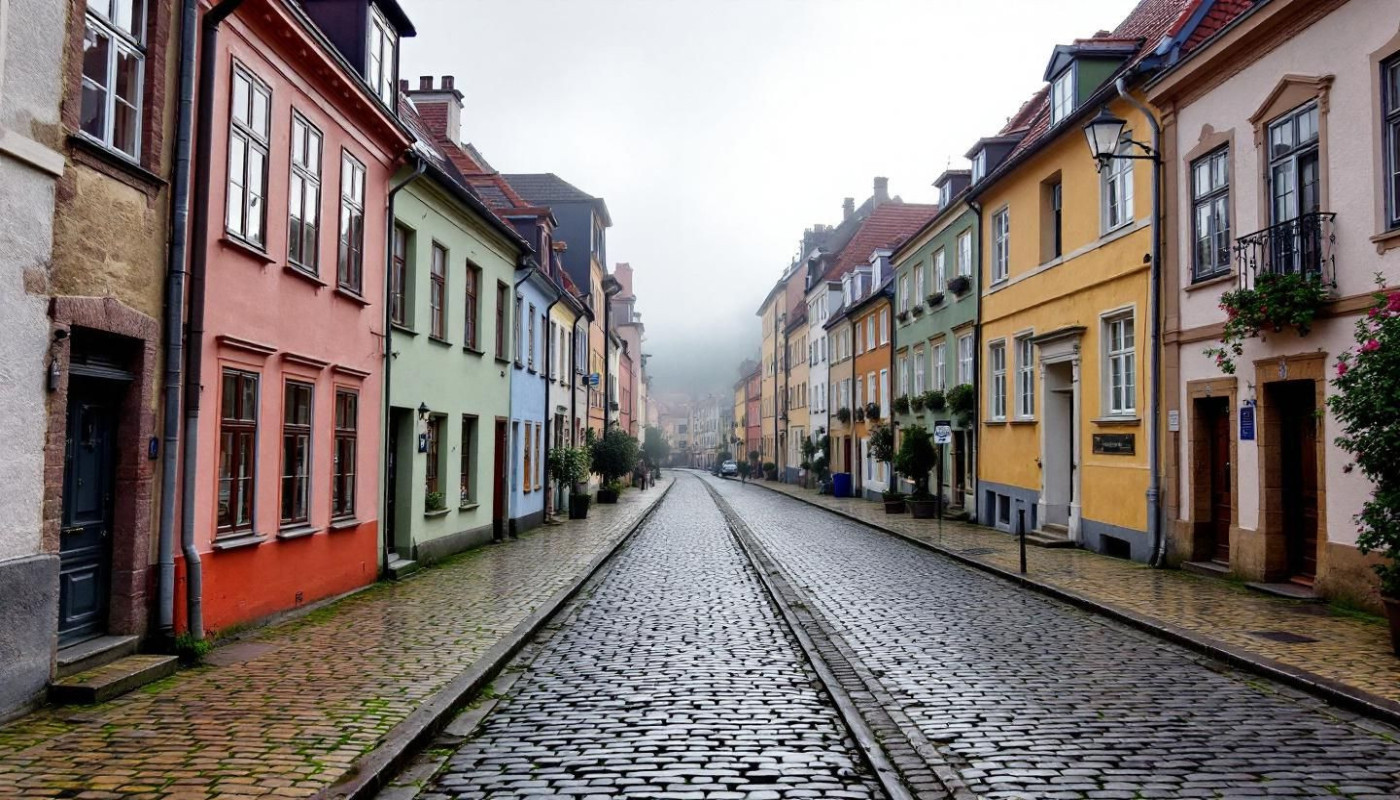
Delving into the lesser-known historic district of a major European capital reveals a captivating blend of preserved architecture and hidden history that continues to shape the city's unique character. In these overlooked quarters, quiet squares framed by centuries-old facades provide a tangible link to bygone eras, while cobbled streets wind through neighborhoods often forgotten by mainstream guidebooks. The careful practice of adaptive reuse ensures that original structures, such as former guild halls and townhouses, are sympathetically transformed for modern use without erasing their past. This combination of conservation and innovation not only safeguards European capital heritage but also fosters a sense of continuity for residents and visitors alike. For those seeking authentic experiences, choosing accommodation like a great value hotel in Paris can serve as an ideal base from which to explore these atmospheric districts, allowing travelers to immerse themselves in the stories and charm that define the city’s old town.
Culinary surprises in local markets
Venture beyond the crowded tourist centers and discover a district renowned among locals for its thriving local market, a true treasure trove for any enthusiast of culinary gems. Nestled away from the main avenues, this neighborhood hosts a daily market where producers from surrounding regions display seasonal fruits and vegetables, artisanal cheeses, and heritage-breed meats. Authentic eateries line the market square, offering traditional fare that reflects the multicultural layers of this European capital’s cuisine. Street vendors prepare hand-rolled pastries beside chefs turning out slow-cooked stews, all contributing to a unique gastronomic landscape that remains relatively undiscovered by casual visitors.
Each stall and café in this area is a testament to the food culture that defines the district. Shoppers and diners mingle as they sample regional specialties like smoked sausages, wild mushroom tarts, and tangy fermented vegetables. These flavors are deeply rooted in local tradition, passed down from generation to generation and presented with pride in unassuming taverns and family-run diners. The market’s proximity to international neighborhoods ensures an added layer of diversity, with Middle Eastern spices, North African couscous, and Balkan pastries enriching the already complex culinary tapestry.
For any visitor eager to understand the true spirit of European capital cuisine, immersing oneself in the rhythms of this local market offers a direct link to the city’s history and evolving tastes. Behind every dish is a story of migration, adaptation, and innovation, preserved by vendors and restaurateurs who are passionate about their crafts. This district’s vibrant blend of authentic eateries and fresh ingredients not only sustains the community but also invites all who wander through its stalls to savor a side of the city rarely found in guidebooks.
Similar